Selected Projects
Our work has been recognised by organisations including NZPI, PRINZ, Taituarā, LGNZ, and Survey & Spatial New Zealand & Australasia.




Ahu Ake Waipa Community Spatial Plans Future Proof Growth & Analytics Hamilton Fast Track Consents Programme Whangārei Future Development Strategy Our Places Spatial Plan Southland District Community Spatial Plans Hamilton Area Plans Enabling Housing Plan Change Waikato Infrastructure Capacity Stocktake Contact Us →
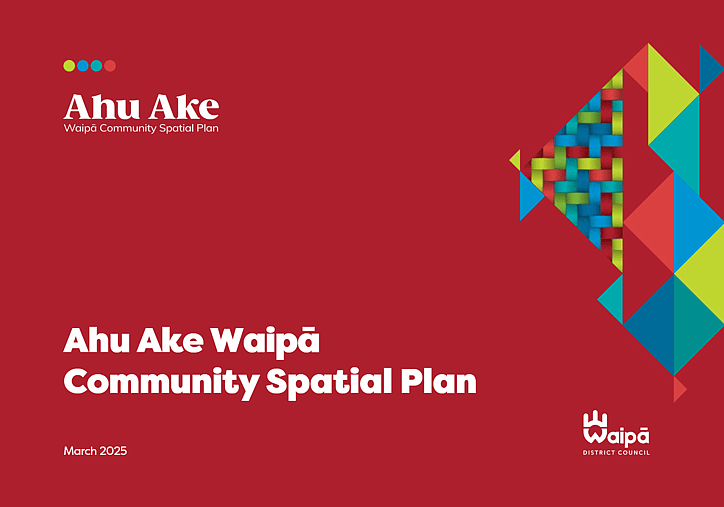
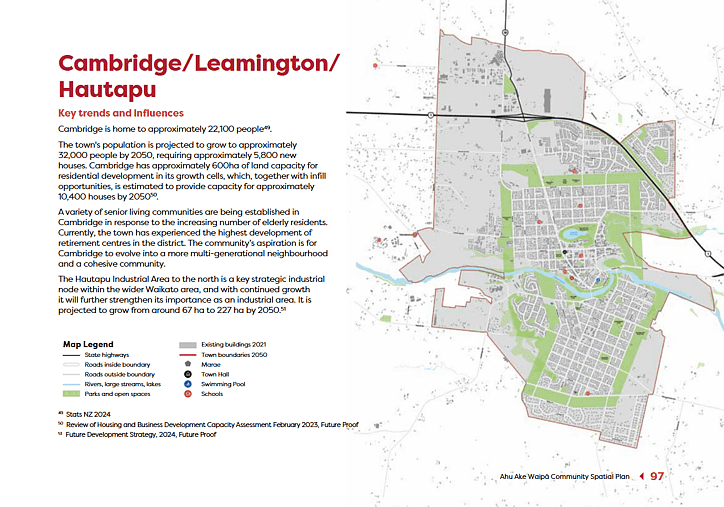
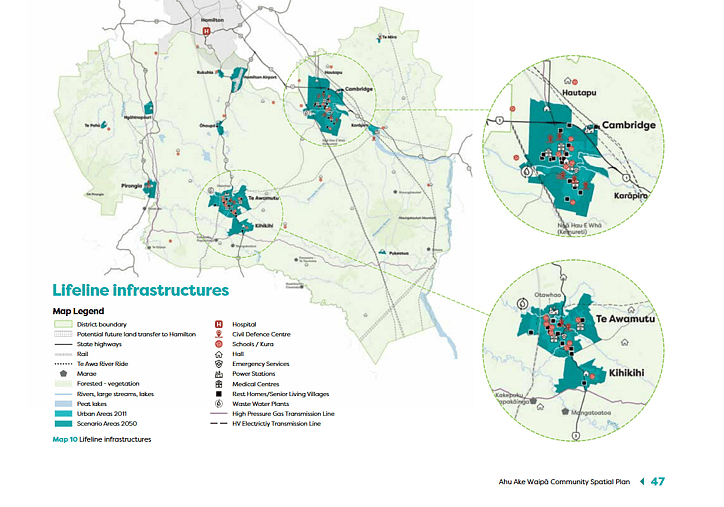
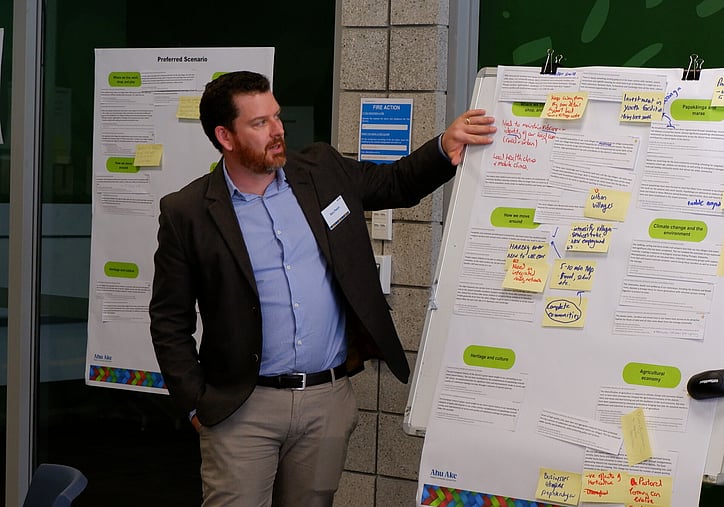
Ahu Ake - Waipā Community Spatial Plan
A long-term integrated growth framework shaped by community priorities.
Waipā needed a clear long-term plan to guide growth while protecting the things communities value most, with the district expected to grow by another 25,000 people by 2050. InPlace helped lead the planning process alongside Waipā District Council and project partners including Beca and Maximize, bringing together governance, engagement, strategy and investment thinking. The result was an adopted district-wide plan that gives council and communities a clearer way to align growth, infrastructure and funding.
The project has also received strong recognition, including NZPI Best Practice for digital tools, a PRINZ Silver Award for engagement, the Asia-Pacific Spatial Excellence Community Impact Award, and the LGNZ Super Engaged award.
Hamilton Fast Track Consents Programme
Coordinating integrated growth responses to secure better city outcomes.
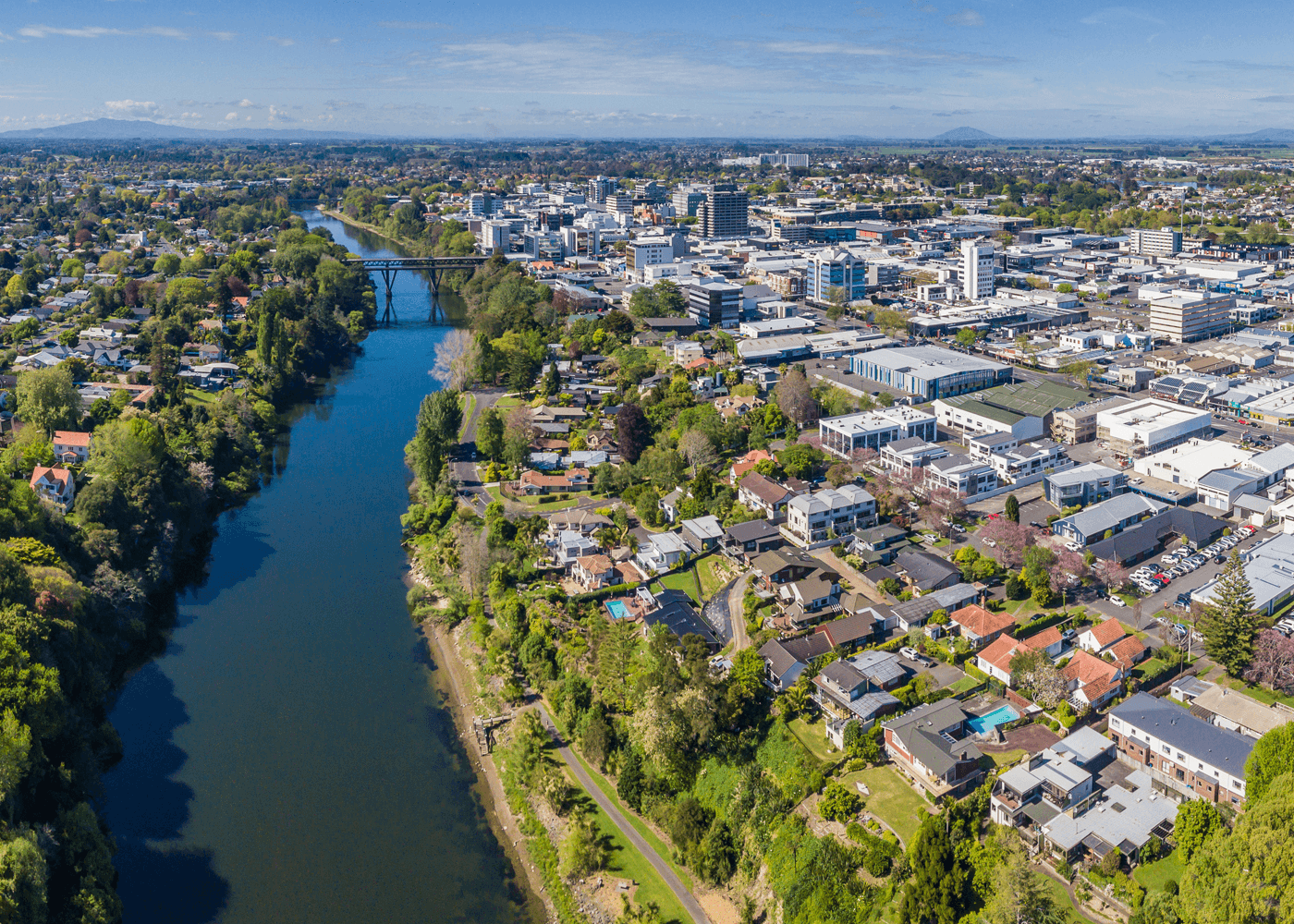
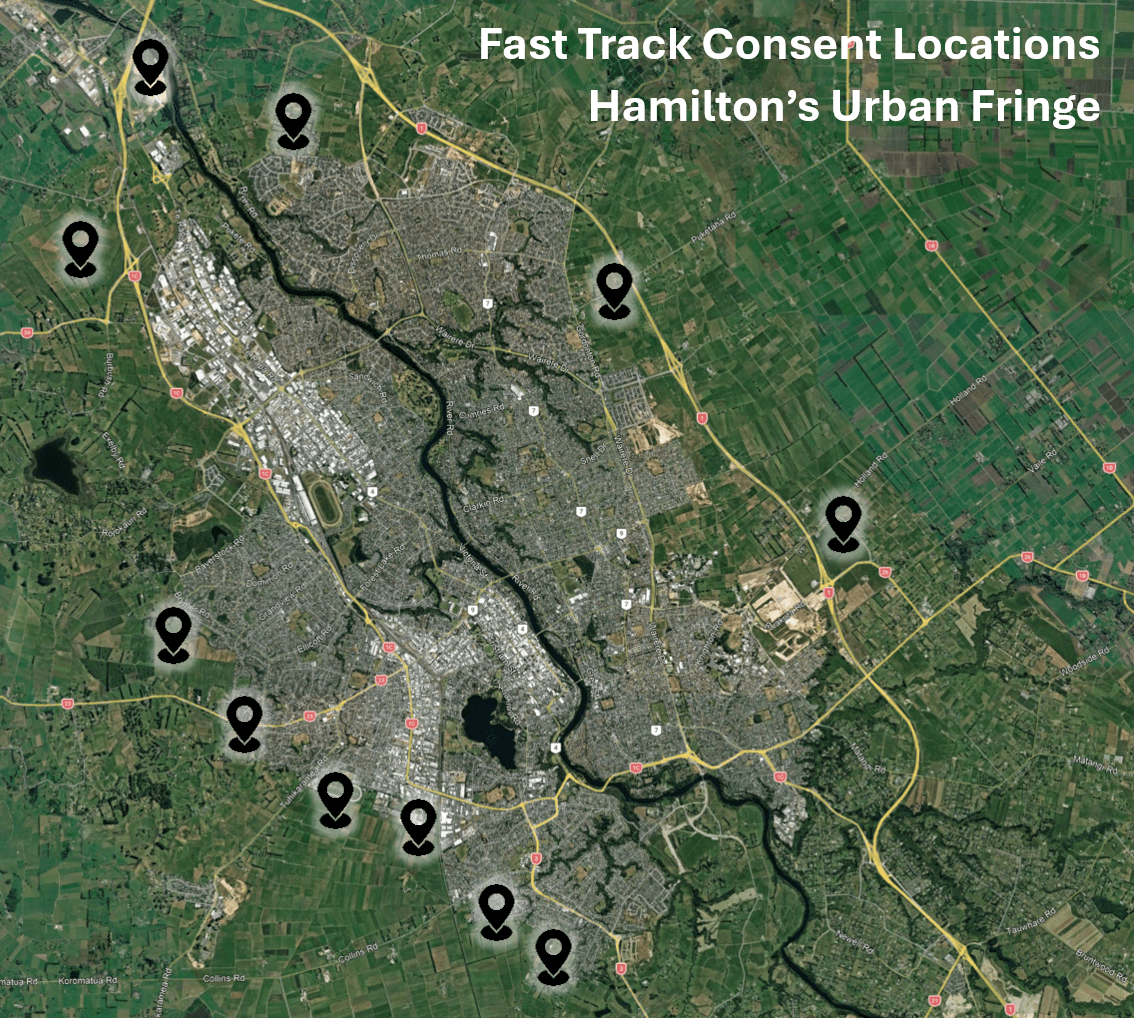
Hamilton City needed a coordinated response to unanticipated major fast-track proposals that could reshape the city’s edge and infrastructure needs, with some proposals together enabling more than 10,000 homes and 100s of ha of industrial uses. InPlace's services included establishing the programme, acting as Hamilton City Council's Fast-Track Infrastructure Programme Manager, and providing ongoing support to the Council's planning team and project managers.
InPlace has supported the Council from the outset, helping to establish and manage a strategic response across planning and infrastructure disciplines, neighbouring councils, and water CCOs. This work has helped the Council and its partners de-risk proposals and improve the outcomes presented through each fast-track application.
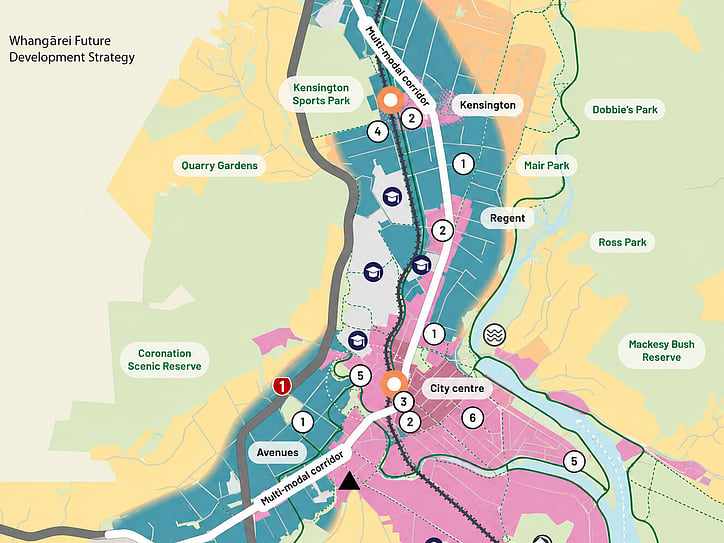
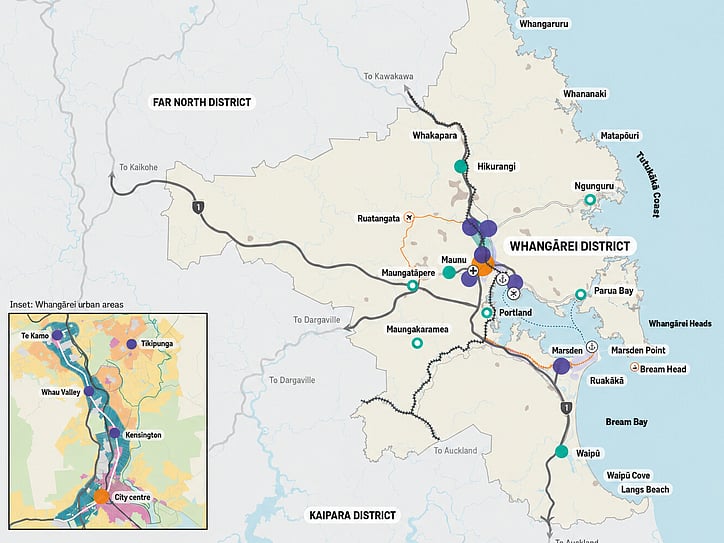
Whangārei Future Development Strategy
A clearer long-term direction for growth, infrastructure and urban development.
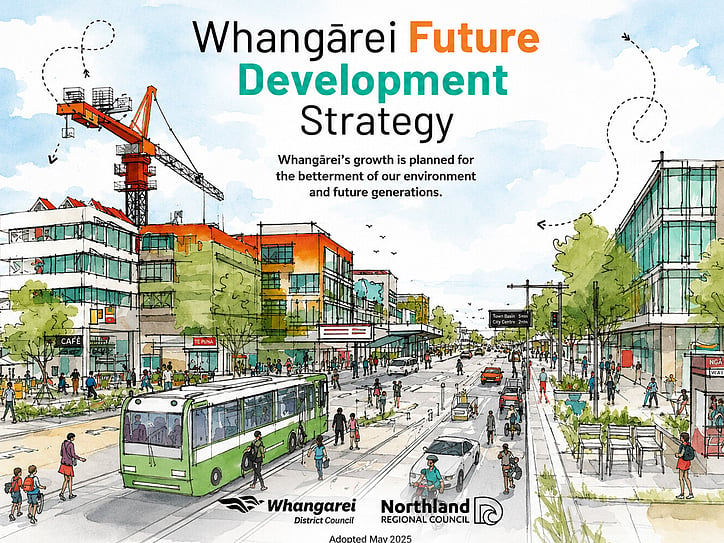
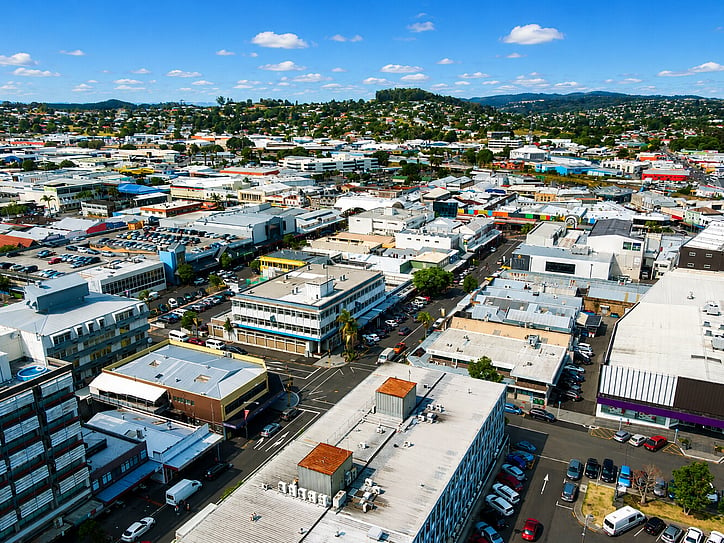
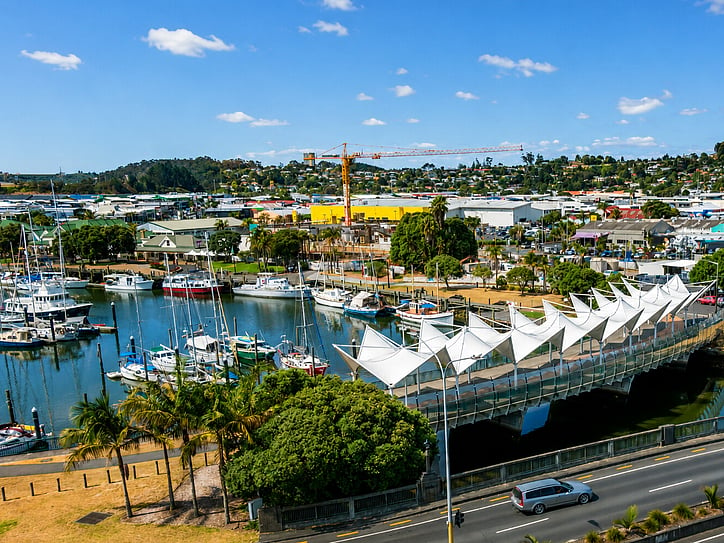
Whangārei needed to plan for significant growth while balancing infrastructure, environmental limits and community wellbeing, with the district expected to add around 40,000 people, 20,000 homes and 200 hectares of industrial land over the next 30 years. InPlace worked with Whangārei District Council, Northland Regional Council, The Urban Advisory and MRCagney to develop and test growth options, giving decision-makers a clearer picture of where homes, businesses and infrastructure should go over time. The strategy created a more coordinated direction for future development across the district.
It was also recognised with a Highly Commended award in the NZPI Best Practice Awards for strategic or non-statutory planning.
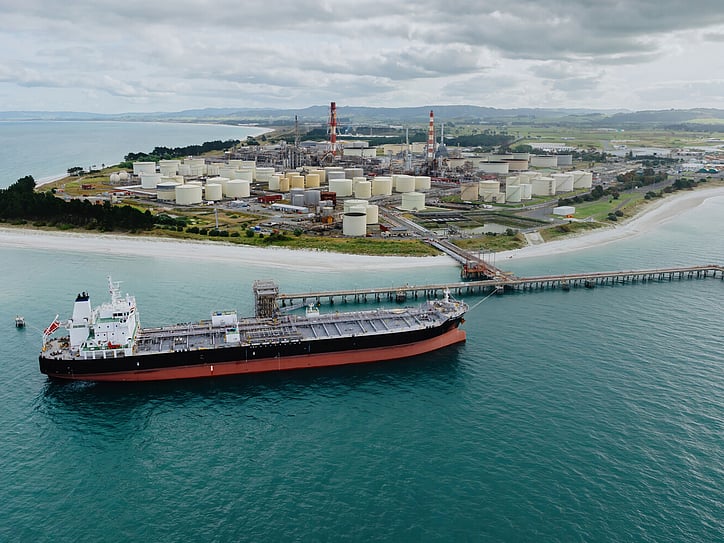
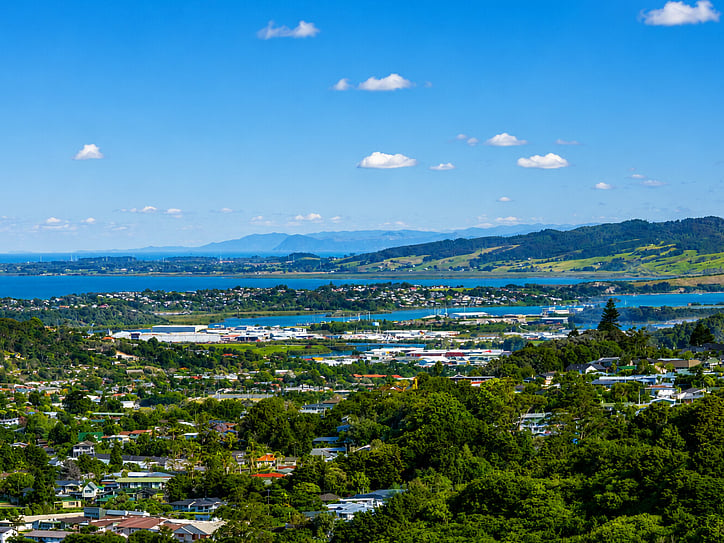
Eastern Bay of Plenty Spatial Plan (Our Places)
Linking growth, infrastructure and economic opportunity across three districts.
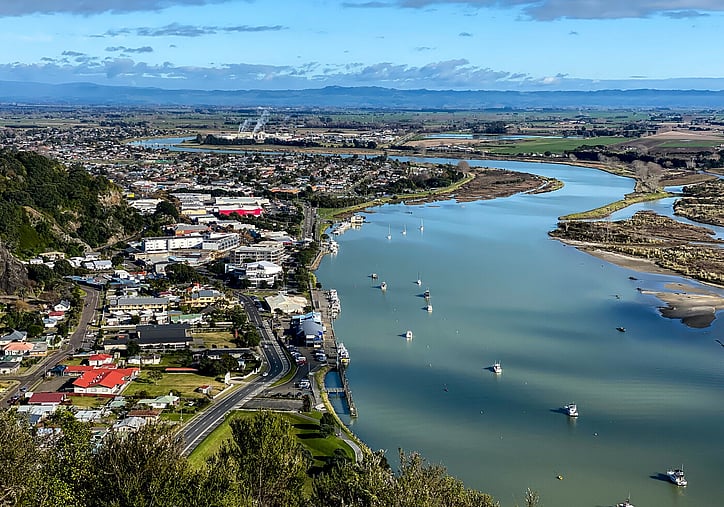
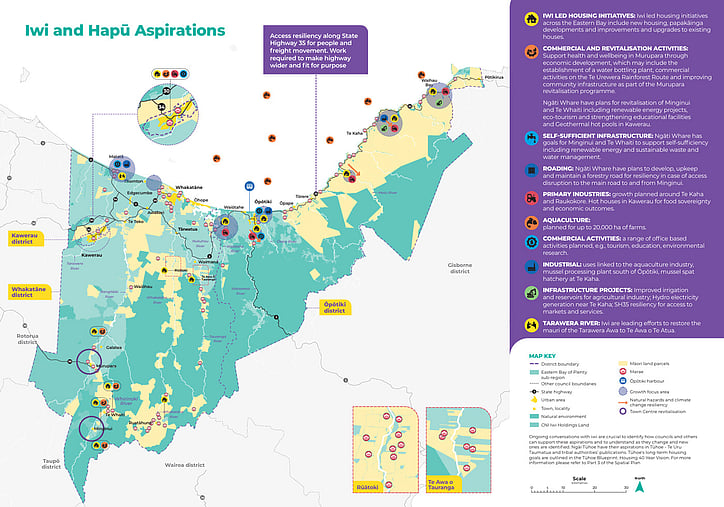
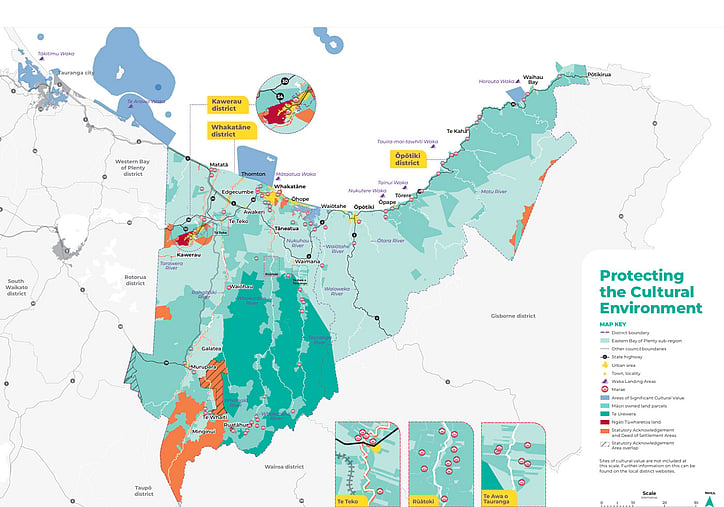
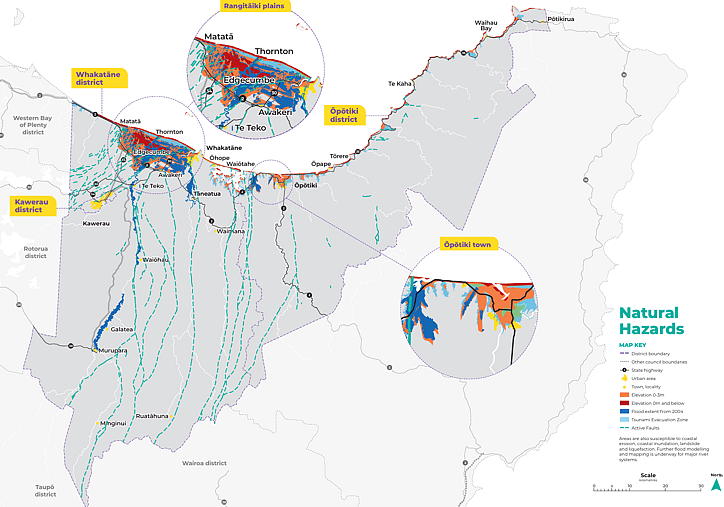
The Eastern Bay needed a shared long-term plan to manage growth, infrastructure, hazards and economic opportunity across three districts, where planning shows a need for about 12,000 more people and 5,500 more homes over the next 30 years. InPlace helped lead the project across Whakatāne, Ōpōtiki and Kawerau district councils, Toi Moana Bay of Plenty Regional Council, iwi and government partners, alongside consultants including Beca, CKL and Pocket Marketing. The adopted plan gives the region a practical framework for where growth can happen and what it will need. It also connects growth planning with jobs, investment and local development opportunities.
Southland District’s Community Spatial Plans
Place-based plans connecting local priorities with future resilience and opportunity.
Southland’s communities need practical long-term plans that respond to local issues such as housing, infrastructure, hazards, tourism and economic development over the next 30 years. InPlace is supporting council as an extension of its team, providing scenario planning, technical advice, engagement and governance support across multiple towns and settlements. The plans turn community priorities into clear local direction for action. They also help connect local aspirations with wider regional planning and investment decisions through resource management reform and other system wide changes.

Hamilton Area Plans
Turning growth strategy into practical place-based direction.
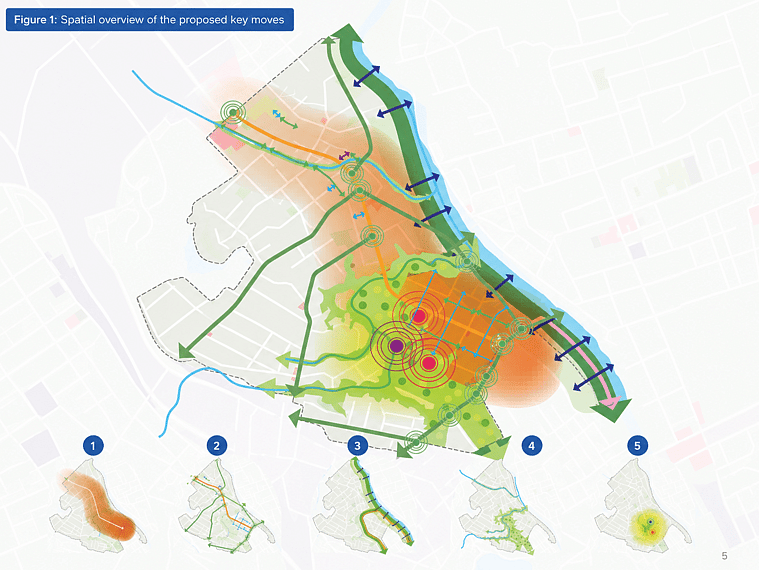
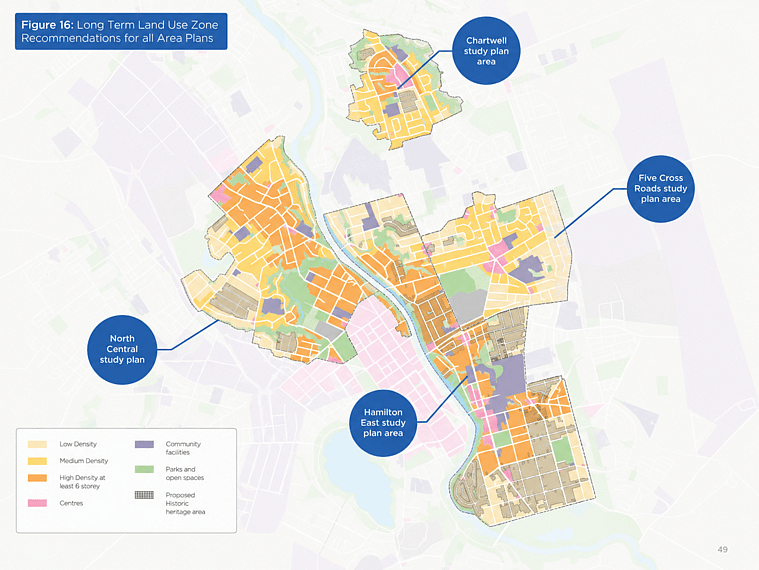
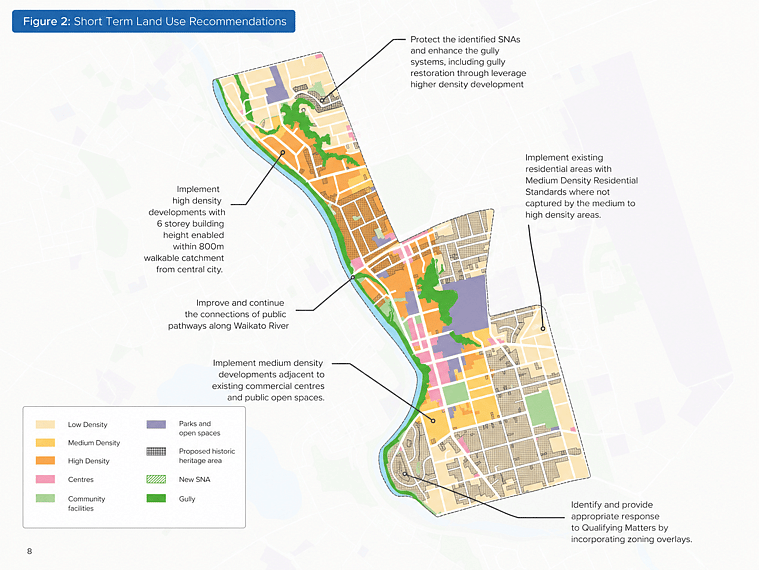
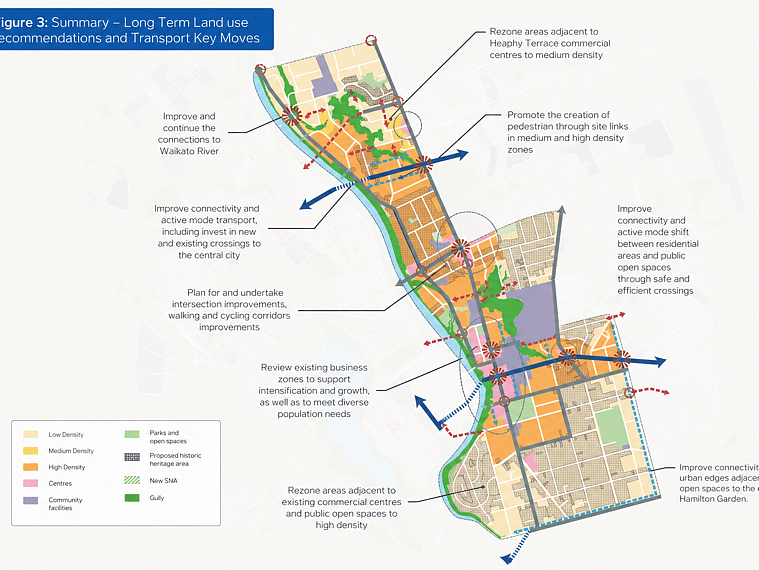
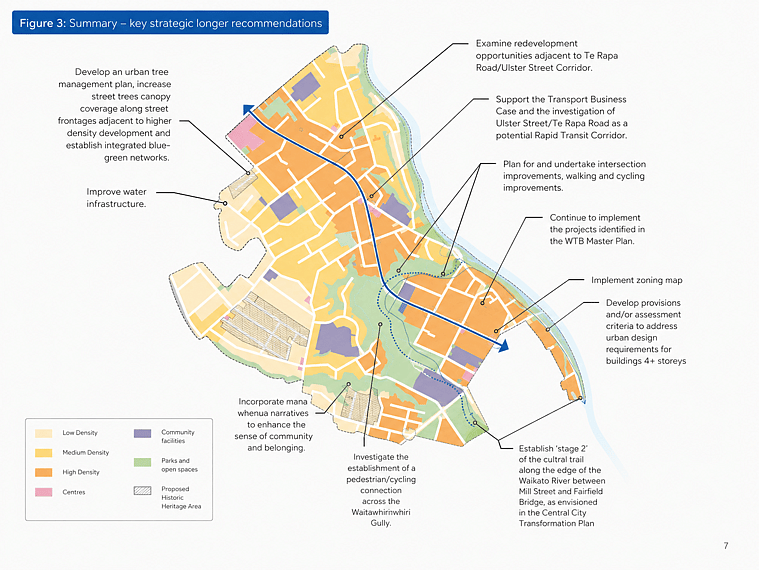
Hamilton needed place-based plans to turn city-wide growth strategy into clear direction for changing neighbourhoods, including centres where national policy opened the door to housing of six storeys or more in well-connected areas. InPlace helped lead the programme across planning, engagement and governance, establishing and managing a large project team of council staff and consultants to shape practical local plans. The result was a set of plans that help guide zoning, infrastructure and future investment at a neighbourhood scale. This gives the city a clearer way to manage change in some of its most important growth areas.
Plan Change 12 - Enabling Housing Supply
Coordinating the evidence for a major housing intensification plan change.
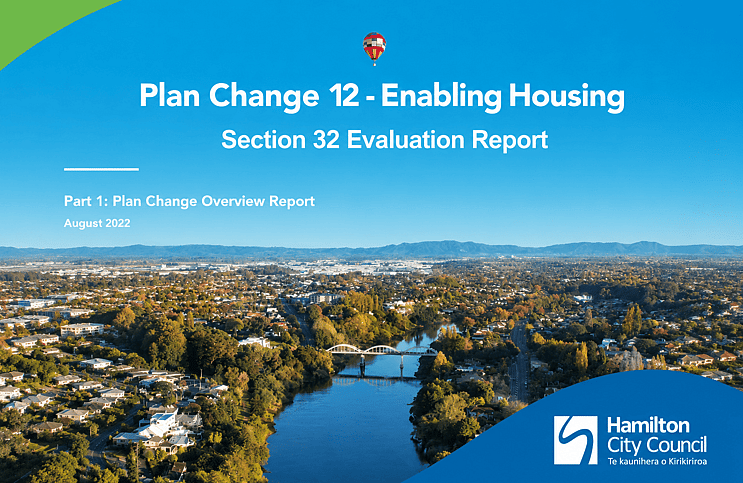
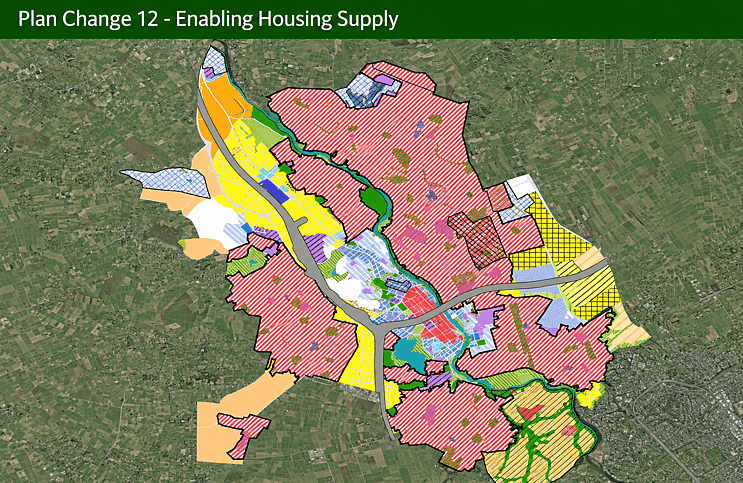
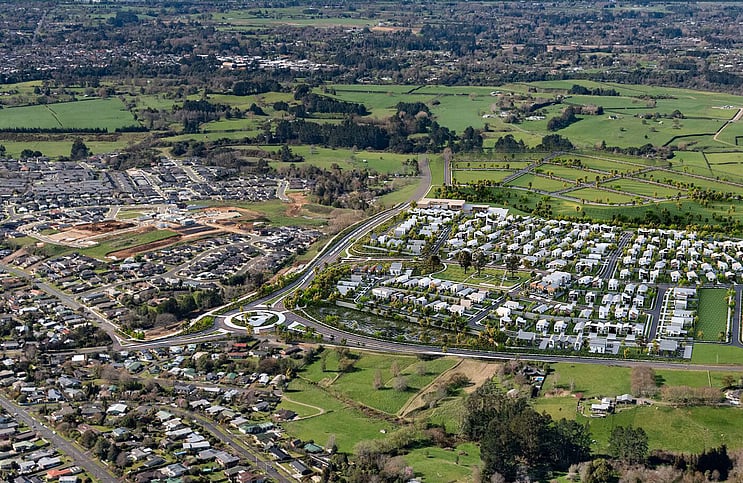
Hamilton needed to respond to national housing direction while still taking account of infrastructure limits, local character and environmental effects, with Plan Change 12 enabling six-storey housing within an 800-metre walkable catchment of the central city and along Te Rapa Road. InPlace helped set the strategy and then managed the planning evidence, technical inputs and reporting needed to support the council’s response. The work contributed to a more focused approach to housing intensification in the right places. It gave council a clearer understanding of the trade-offs involved in enabling more housing capacity.
Waikato Infrastructure Capacity Stocktake for Regional Planning
Regional infrastructure stocktake aligning growth planning with investment priorities.
Waikato Regional Council needed a clearer regional picture of infrastructure capacity information, but data, modelling and planning approaches were inconsistent across councils and water entities. InPlace reviewed infrastructure capacity management across 11 councils, assessing data sources, growth assumptions, modelling approaches and investment sequencing. The work established a baseline evidence platform for future regional planning and highlighted the need for more standardised, integrated approaches to infrastructure and growth.